The closure style of a fancy box shapes the entire unboxing experience before the customer even sees what is inside. Magnetic, flip-top and slide-out styles each create a different first impression, and choosing between them is as much about the moment of opening as it is about protecting the product.
Understand what each closure style feels like to open
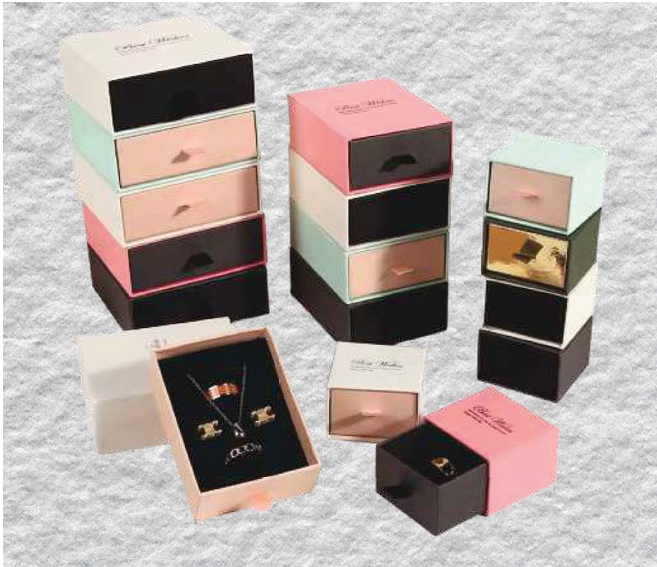
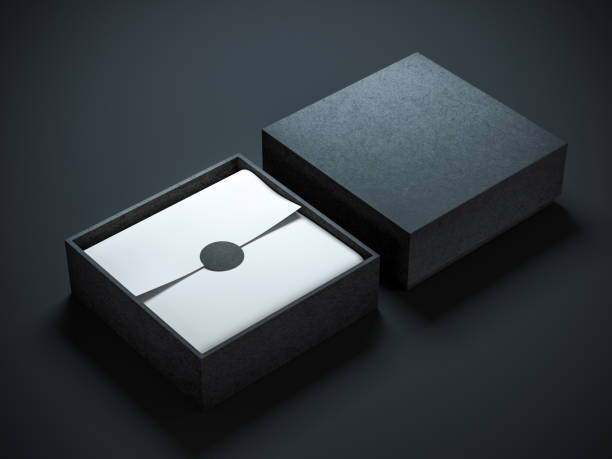
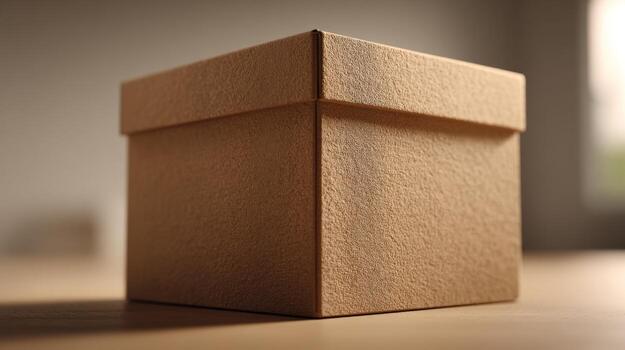
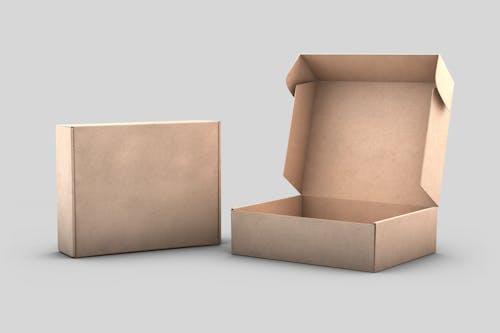
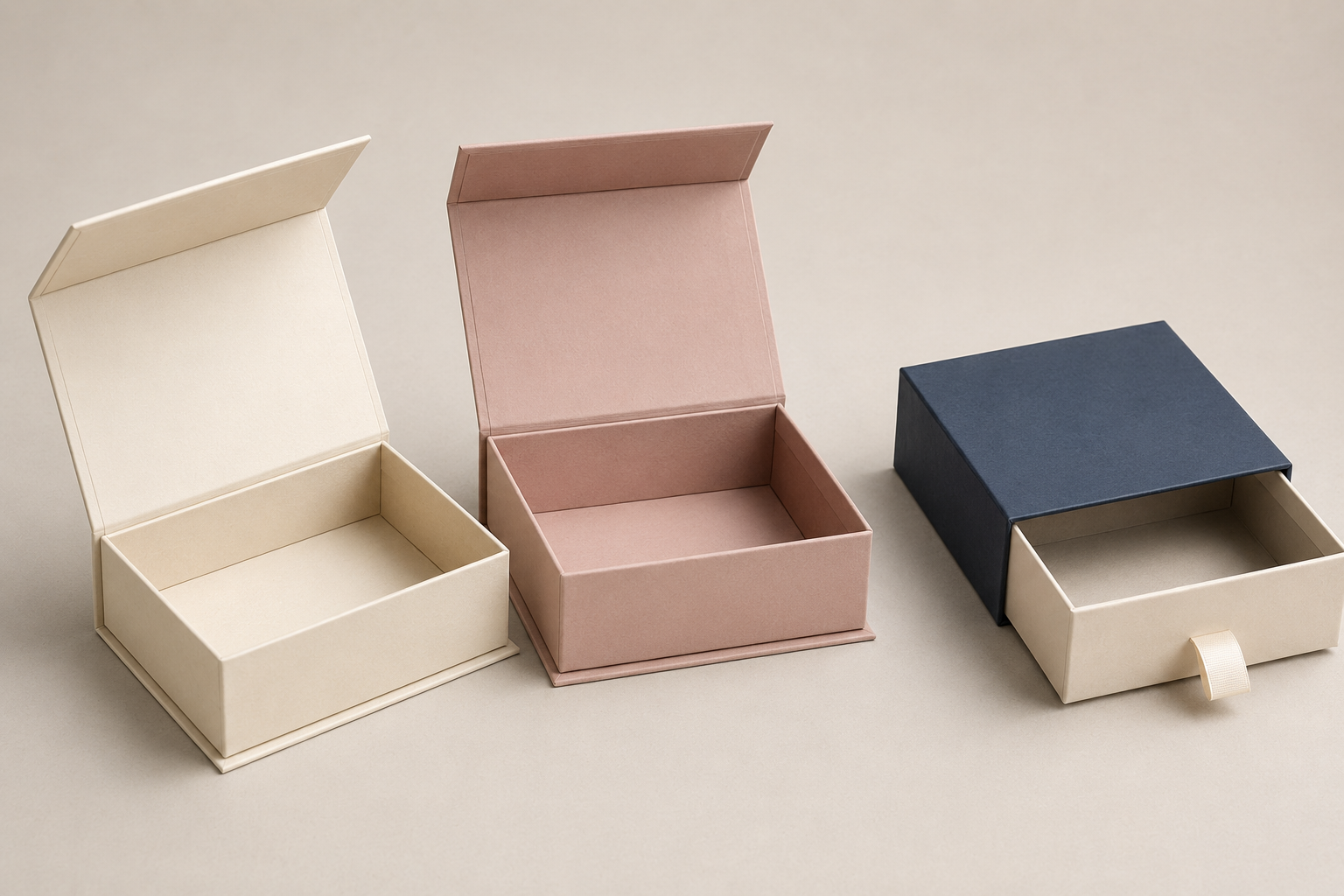
A magnetic closure box uses concealed magnets to hold the lid shut, opening with a smooth pull and a soft click when closed again, which reads as considered and premium. A flip-top box opens on a hinge, similar to a book, keeping the lid attached and giving a controlled, deliberate reveal. A slide-out box uses an inner tray that slides out of an outer sleeve, creating a moment of anticipation as the product is drawn out rather than lifted open.
None of these is universally the best option; each creates a different pace and mood for the reveal, which should match how the brand wants the product to be experienced rather than being chosen on appearance alone.
- Magnetic closure: smooth, silent open and close with a premium feel.
- Flip-top: hinged lid stays attached, giving a controlled, book-like reveal.
- Slide-out: inner tray slides from an outer sleeve, building anticipation.
- Match the closure to the pace of reveal the brand wants to create.
Match the closure to the product being protected
Magnetic closure boxes work well for jewellery, watches and other items where the box itself is part of the gift and may be kept afterward. The secure, flush-fitting lid also helps protect delicate contents during transit. Flip-top boxes suit products that benefit from full visibility on opening, such as gift sets or items presented on a tray insert, since the hinge keeps the lid out of the way.
Slide-out boxes suit slimmer products such as pens, small accessories or single items that look best drawn out slowly, since the sliding motion is part of the presentation rather than just a way to access the contents.
- Use magnetic closure for jewellery, watches and keepsake-style gifting.
- Use flip-top for gift sets or trays that benefit from full visibility on opening.
- Use slide-out for slim, single-item products where the reveal motion matters.
- Consider whether the box is likely to be reused, since this favours sturdier closures.
Factor in cost and production complexity
Magnetic closure boxes generally cost more than flip-top or slide-out styles, since they require embedded magnets and precise alignment during assembly. Flip-top boxes are usually the simplest and most economical to produce at volume, making them a practical choice when budget per unit is tight but a premium feel is still wanted.
Slide-out boxes sit in between, since the two-piece construction adds some complexity but does not require the hardware that magnetic closures do. Weighing these differences against the order volume helps avoid specifying a closure style that is difficult to sustain across a large batch.
- Magnetic closure typically carries the highest cost due to embedded hardware.
- Flip-top is usually the most economical to produce at volume.
- Slide-out sits between the two in cost and production complexity.
- Check cost per unit at the actual order quantity before finalising the style.
Consider how the closure affects branding placement
Each closure style offers a different natural surface for branding. Magnetic boxes usually place the main logo on the lid, since it stays fully visible when closed. Flip-top boxes can carry branding on both the outer lid and the inside of the flip, giving a second branding moment as the box opens. Slide-out boxes often reserve the outer sleeve for branding, since the inner tray is hidden until it slides free.
Thinking through where the eye lands at each stage of opening helps decide where the logo, pattern or finishing detail should sit, rather than defaulting to the same placement regardless of closure style.
- Magnetic boxes typically place the primary logo on the visible lid.
- Flip-top boxes can use both the outer lid and inner flip for branding moments.
- Slide-out boxes usually reserve the outer sleeve for the main branding.
- Plan branding placement around the sequence of the opening, not just the flat design.
Request a working sample before committing
Closure mechanisms behave differently in person than they do in a flat rendering, particularly the resistance of a magnetic pull or the smoothness of a slide-out tray. A working sample lets these details be checked directly, which matters more for closures than for almost any other packaging decision.
This is especially worth doing for a first order with a new closure style, since small adjustments to tolerance or magnet strength are far easier to correct before a full production run than after it.
- Request a working sample to test the actual open-and-close motion.
- Pay attention to resistance and smoothness, not just visual appearance.
- Test closure samples especially closely on a first order with a new style.
- Confirm any tolerance adjustments before committing to full production.
Common questions
Which fancy box closure is most premium?
Magnetic closure boxes are generally seen as the most premium due to their smooth, secure open-and-close action, though flip-top and slide-out styles can feel equally considered when executed well.
Which closure style is most budget-friendly?
Flip-top boxes are usually the most economical to produce at volume, since they do not require embedded hardware like magnetic closures.
Can I test a closure style before placing a full order?
Yes, requesting a working sample is recommended, especially for magnetic or slide-out styles, since resistance and smoothness are hard to judge from a flat design file.