GSM is one of the first specifications asked for on any print order, but it is often chosen by habit rather than by matching it to what the packaging actually needs to do. Getting the weight right affects cost, durability and how the finished piece feels in hand, so it deserves more thought than a default number.
Understand what GSM actually measures
GSM stands for grams per square metre, and it measures the weight of the paper or board, not its thickness directly. Two materials at the same GSM can still feel different in hand depending on how densely the fibres are packed, but GSM remains the most useful shorthand for comparing paper weight across suppliers and materials.
Higher GSM generally means a heavier, sturdier material, while lower GSM means a lighter, more flexible one. Neither is automatically better; the right choice depends on how the piece will be used, handled and perceived by the customer.
- GSM measures weight per square metre, used as a proxy for thickness and rigidity.
- Higher GSM suits structural pieces like boxes and rigid tags.
- Lower GSM suits flexible pieces like inserts, wraps and lightweight bags.
- Compare GSM within the same material type, since paper and board behave differently at the same number.
Match GSM to the job the packaging needs to do
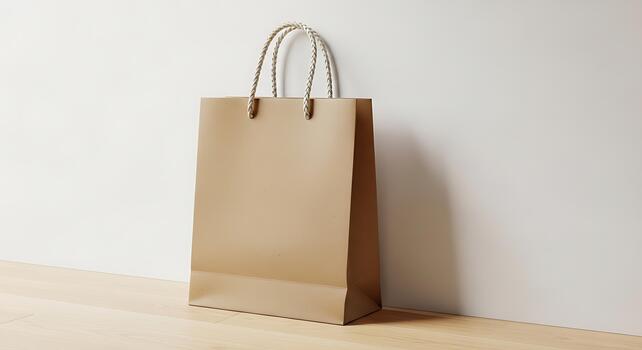
A carry bag that needs to hold real weight without stretching or tearing needs a heavier GSM than a small gift bag meant to hold something light. A hang tag that will be handled repeatedly benefits from more rigidity than a one-time insert card. Matching GSM to the actual handling the piece will experience avoids both flimsy results and unnecessary overspending.
It also helps to think about how the piece travels. Packaging that goes through courier handling or retail shelving needs more structural weight than packaging that is opened once and set aside, even if both look similar on a design file.
- Use higher GSM for bags and boxes that carry real product weight.
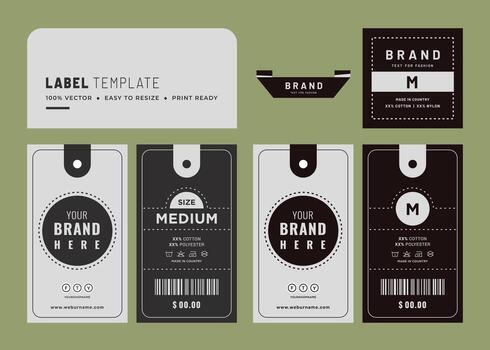
- Use moderate GSM for tags and cards that are handled repeatedly.
- Use lower GSM for single-use inserts, wraps or lightweight liners.
- Consider courier and shelf handling, not just how the piece looks flat.
Know the common ranges for different packaging types
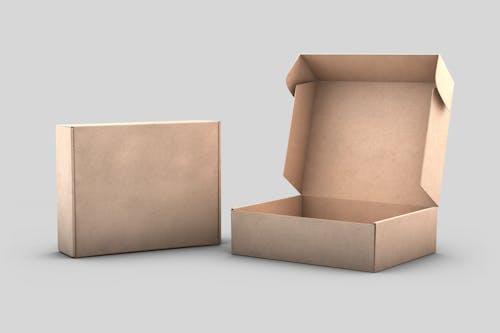
Most paper bags fall in a moderate GSM range that balances flexibility with strength, while rigid boxes rely on much heavier board, often measured separately in board thickness rather than GSM alone, since rigid box construction wraps board around a core rather than folding a single sheet. Tags and cards typically sit in a mid-to-high range so they hold their shape without feeling stiff to handle.
These ranges are starting points rather than fixed rules. A brand that wants an unusually substantial-feeling bag or an intentionally lightweight tag can move outside the typical range, as long as the trade-offs in cost and durability are understood upfront.
- Paper bags typically use a moderate GSM for flexibility with strength.
- Rigid boxes rely on board thickness around a core, not folded single-sheet GSM.
- Tags and cards typically sit in a mid-to-high GSM range.
- Moving outside typical ranges is fine if the cost and durability trade-off is understood.
Weigh cost against durability honestly
Heavier GSM almost always costs more, both in material and sometimes in production handling, so it is worth asking whether the extra weight actually improves the customer experience or mainly adds cost. A slightly lighter bag that still comfortably holds the product is often a better decision than the heaviest available option by default.
At the same time, going too light to save cost can backfire if the packaging tears, bends unintentionally or feels cheap, which undermines the presentation the packaging was meant to support in the first place. The goal is the lightest GSM that still performs reliably, not the lightest GSM possible.
- Heavier GSM increases cost; confirm it improves function before defaulting to it.
- Avoid going so light that the piece tears or feels flimsy in normal use.
- Aim for the lightest GSM that still performs reliably for the intended use.
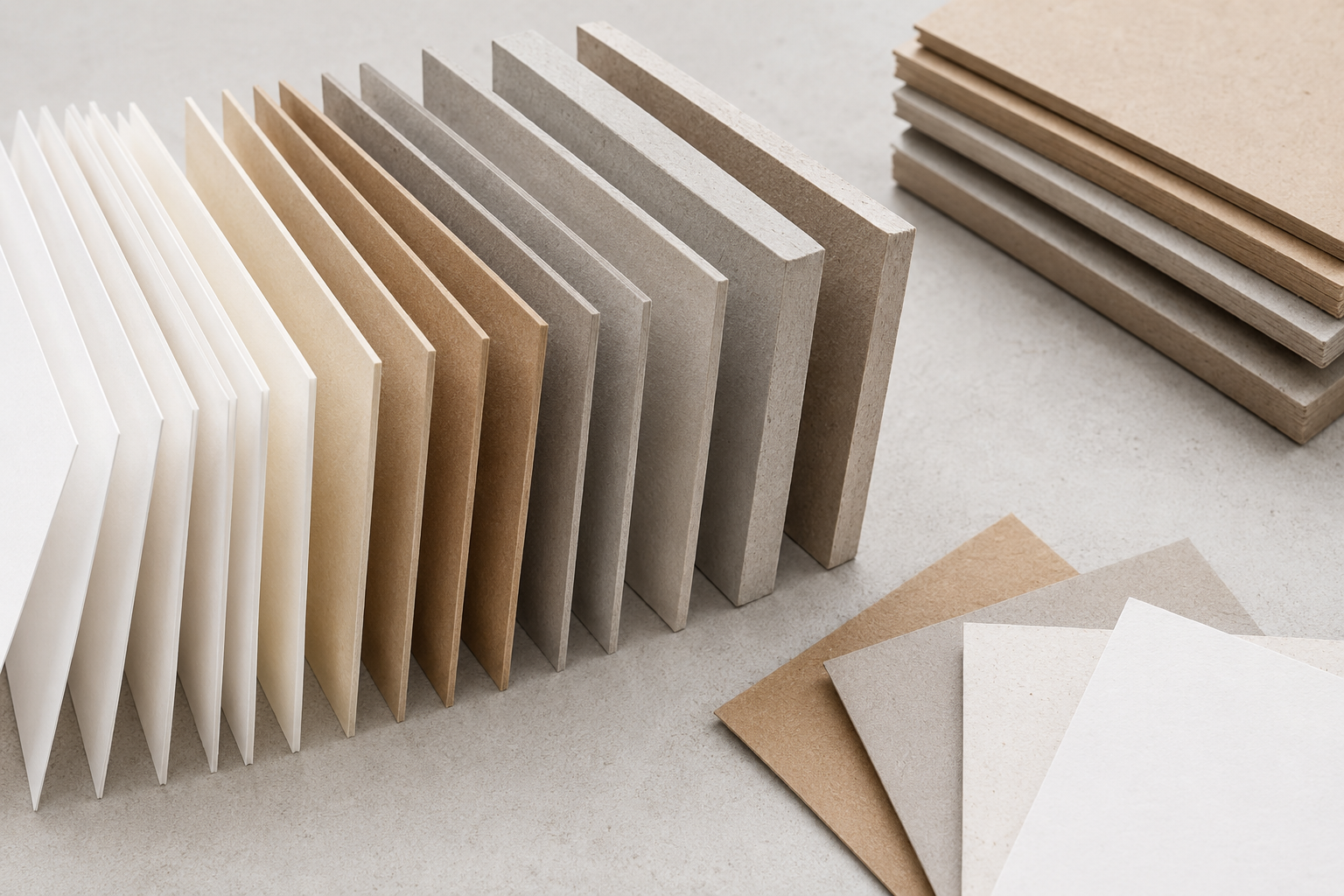
- Request a physical sample at the proposed GSM before finalising a bulk order.
Ask for a sample before locking in a specification
GSM numbers on a spec sheet do not always translate the way they are expected to in hand, since different paper types and finishes can make the same GSM feel noticeably different. A physical sample removes the guesswork and lets the actual weight, stiffness and texture be judged directly rather than estimated from a number.
This is especially useful when a brand is choosing between two close GSM options, where the practical difference may only become clear once both are held side by side.
- Request physical samples at the proposed GSM before finalising the order.
- Compare close GSM options side by side rather than relying on the number alone.
- Factor in the specific paper type and finish, not just the GSM figure.
- Confirm GSM in the final production spec, since it can drift during revisions.
Common questions
Is higher GSM always better for packaging?
No. Higher GSM adds cost and rigidity, which is only useful if the packaging actually needs that extra strength. The right GSM depends on how the piece will be handled.
What GSM should I use for a paper carry bag?
Most paper bags use a moderate GSM that balances flexibility with strength, though the exact figure depends on how much weight the bag needs to carry.
Why do rigid boxes not use a simple GSM number?
Rigid boxes are built by wrapping paper or board around a solid core, so their strength comes from board thickness and construction rather than a single folded sheet's GSM.